
An asphalt mixing plant plays a decisive role in modern road construction projects. It directly affects asphalt quality, construction efficiency, operating cost, and long-term profitability. For contractors, investors, and project owners, understanding different asphalt mixing plant types is not optional. It is a necessary step before making any purchase decision. This guide provides a clear and professional analysis to help you choose the right solution with confidence.
Why Understanding Asphalt Mixing Plant Types Is Critical
Different construction projects have different production demands, site conditions, and investment expectations. Selecting the wrong asphalt mixing plant may lead to low efficiency, unstable quality, or unnecessary costs. In contrast, a well-matched plant improves productivity, ensures asphalt consistency, and shortens the return cycle. Knowing plant types also helps buyers communicate better with manufacturers and evaluate quotations more accurately.
Main Classification of Asphalt Mixing Plants
Asphalt mixing plants are mainly classified based on installation method and mobility. The most common options are stationary systems and mobile systems. Each type serves a different construction scenario, budget structure, and project duration. Understanding these differences helps decision-makers avoid costly mistakes and select equipment aligned with real needs.
Stationary Asphalt Mixing Plant: Designed for Long-Term Production
Stationary asphalt mixing plants (стационарные асфальтобетонные заводы) are installed at a fixed site and operate for long-term, large-scale projects. They are widely used in highway construction, airport runways, and major municipal infrastructure. These plants offer high production capacity, stable performance, and excellent asphalt quality control, making them ideal for continuous heavy-duty operations.
Stationary plants usually provide higher output, often exceeding 120 tons per hour. This ensures uninterrupted asphalt supply for large paving teams. Advanced automation systems improve weighing accuracy and mixing precision, while reducing labor intensity. With optional environmental protection systems, stationary plants also meet increasingly strict emission standards, helping projects remain compliant and sustainable.
Mobile Asphalt Plant: Flexible and Efficient for Changing Sites
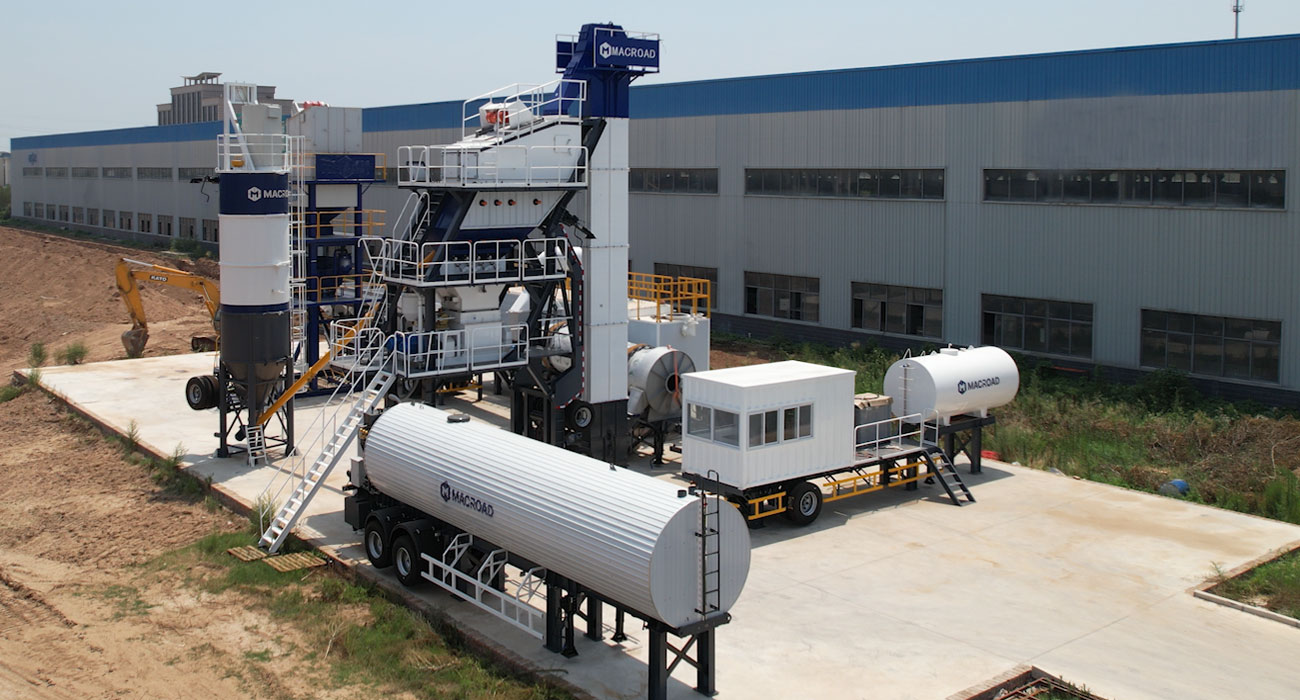
A mobile asphalt plant (мобильный АБЗ) is designed for quick installation and easy relocation. Key components are integrated into transportable modules, which significantly reduce setup time. Contractors can move the plant between job sites with minimal dismantling, saving both time and transportation costs.
Mobile plants are ideal for short-term projects, road maintenance, and remote construction areas. On-site asphalt production reduces long-distance material transport, improves asphalt freshness, and enhances paving quality. Although mobile plants usually have lower output than stationary systems, modern designs still ensure reliable performance, accurate proportioning, and stable operation for flexible construction needs.
Mixing Technology: Batch Type vs Drum Type Asphalt Mixing Plant
Another important classification depends on the mixing process. Asphalt mixing plants can be divided into batch type and drum type systems. Each technology has its own advantages and suitable application scenarios, depending on quality requirements and budget planning.
Batch Type Asphalt Mixing Plant: Precision and Quality Control
Batch type plants produce asphalt in separate mixing cycles. Each batch follows strict weighing, drying, and mixing procedures, ensuring high uniformity and precise asphalt composition. This makes batch plants especially suitable for projects with strict quality standards, such as expressways and airport pavements.
One major advantage is formula flexibility. Operators can easily adjust asphalt recipes to meet different technical requirements. This flexibility enhances project adaptability and quality reliability, which is why batch plants are often preferred for high-grade infrastructure projects.
Drum Type Asphalt Mixing Plant: Cost Efficiency and Simplicity
Drum type plants operate with continuous mixing. Aggregate drying and asphalt mixing take place in the same drum, resulting in a simpler structure and lower initial investment. Energy consumption remains relatively stable, which helps reduce operating costs.
However, drum plants offer less flexibility in adjusting asphalt formulas. They are best suited for long-term projects with consistent asphalt specifications. For contractors seeking cost efficiency and stable production, drum plants remain a practical option.
How to Choose the Right Asphalt Mixing Plant
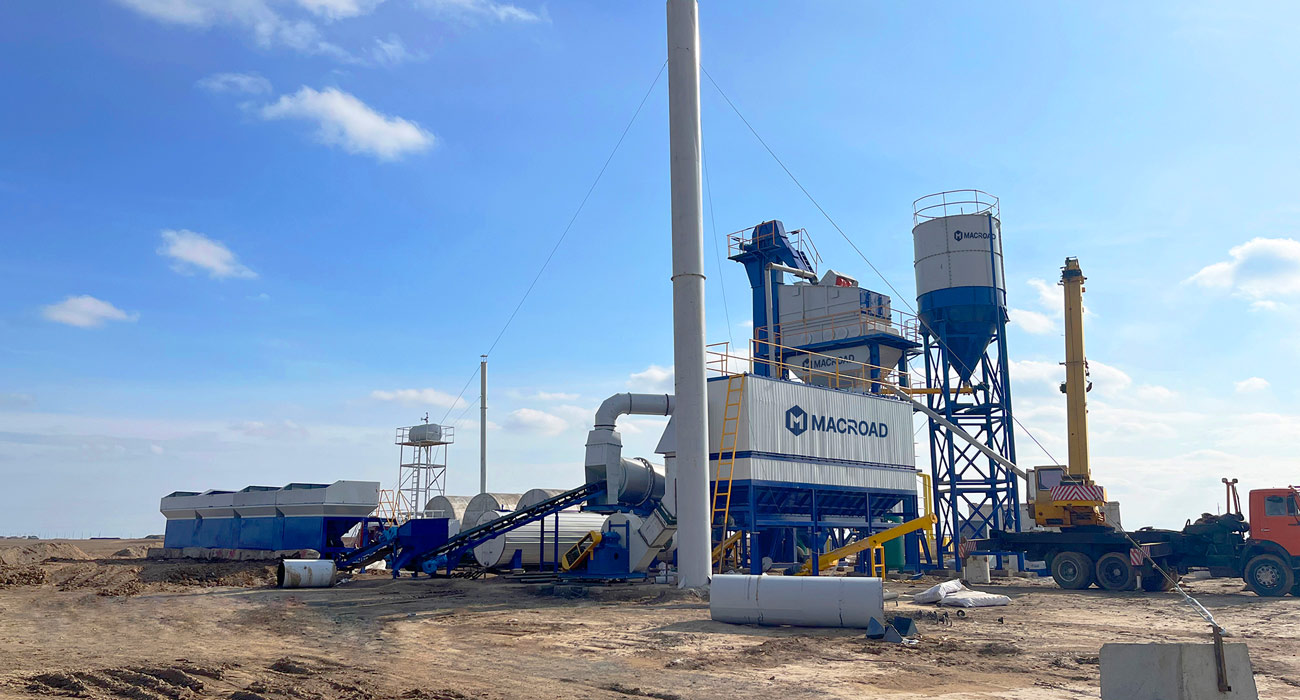
Project scale should be your primary consideration. Large, long-term projects usually require stationary batch plants, while temporary or scattered projects benefit from mobile systems. Site conditions also play an important role. Remote locations often favor mobile production, while urban projects require fixed installations with strong environmental controls.
Budget planning is equally important. When you plan to buy asphalt plant equipment (купить асфальтный завод), focus on total lifecycle cost rather than purchase price alone. Operating efficiency, maintenance support, and spare parts availability significantly affect long-term profitability. Choosing a reliable manufacturer reduces risks and protects your investment.
Conclusion: Make an Informed and Profitable Decision
An asphalt mixing plant is more than just equipment. It is a long-term investment that determines project success and business growth. Stationary plants deliver high output and stability, while mobile plants provide flexibility and rapid deployment. By understanding different plant types and matching them to real project needs, you can improve efficiency, ensure quality, and achieve sustainable returns with confidence.